I redesigned key pages of Kinnarps website to increase conversion of their interior architect customers who have a keen eye for details, and limited time to evaluate all options when creating interior design proposals.

Challenge: The business were leaking leads due to inaccessible product specifications.
Project: I led workshops, concept development, prototyping and testing for the website redesign.
Results: A smoother experience, that makes it easier for the target group to choose the customer as a supplier.
My Process


Workshopping
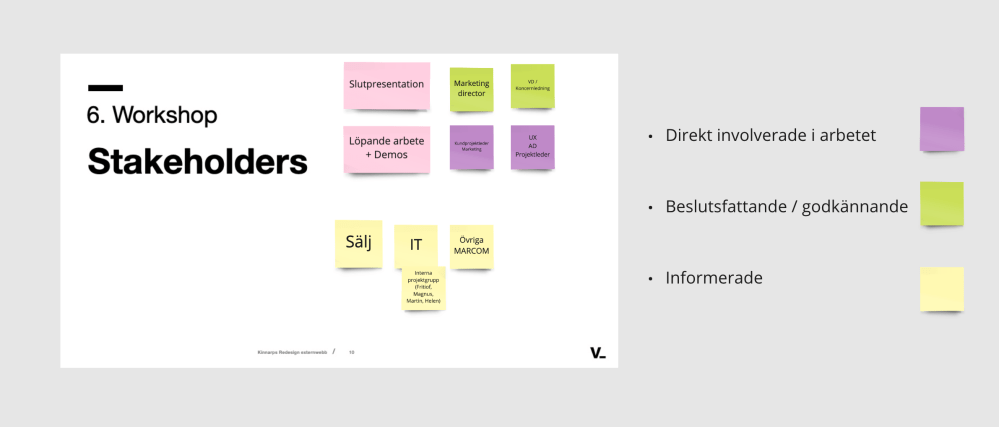
I designed and led customer workshops to find and prioritize the key success factors for the project. This involved creating a creative space for the customer, or super user of the site to share insights ideas. I used a diamond method to push for quantity of ideas in the beginning of the session and converge to the solutions that create the most value.
“We believe that by showcasing the most important information in a clear way for architects can reduce the time it takes them to find suitable furniture for their projects.
Ideation
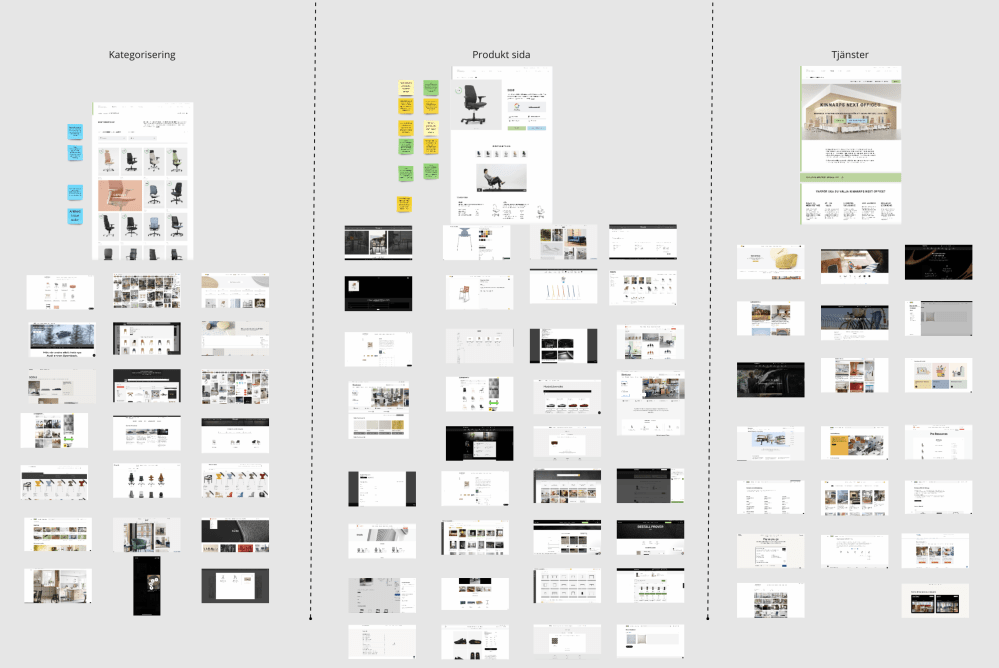
The first step I took in creating new solutions for the site was to evaluate the competition and see where the customer’s website faired in relation to alternatives on the market. I analyzed both businesses that were mentioned by participants in the research stage of the project and websites that the target group were likely to frequent. I collaborated with the Service Designer who led the research stage of the project as well as an Art Director to develop a comprehensive solution. We used a technique called Magic 8 to create a wide funnel of ideas to distill down into the final solution.
Benchmarking
Prototyping
Once I had a clear understanding of the challenge, the expectations of the client and a reference for exiting solutions I was able to start sketching solutions. First this was done with low fidelity wireframes, which were shared with the customer to see if they matched their expectations.
Low fidelity wireframe
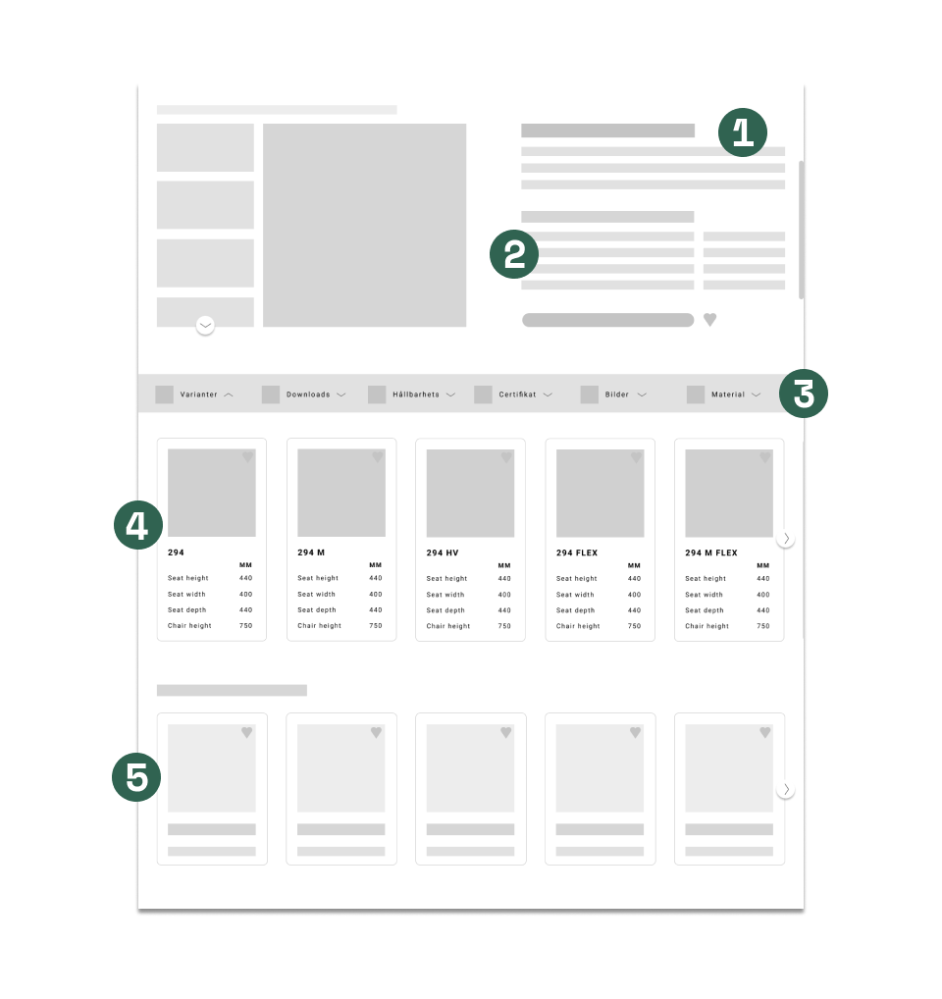
- In this wireframe you can see a clear hierarchy of information, product names and introductions
- Key specifications identified in the user research led to the inclusions of “fast facts”
- The key elements of the product page were organized in order of priority and available above the fold for fast comprehension and access
- A learning from the workshop stage lee to developing a solution so the multiple varieties of a product could be clearly visible
- A second level of options within a product was developed to help users navigate the complexity of the products that were available
I created a simple prototype so the customer and users could see how the different pages and elements would ultimately play together. I worked with an art director to take the user interaction elements to the next level.

Testing
Once I had a design that the customer was happy with I ran heuristic and accessibility tests. To ensure that’s the solution solved the initial challenge I designed a testing plan to identify the strengths and weaknesses. I recruited some users from the research stage of the project and supplemented them with new subjects and conducted the tests online. I then iterated the design with feedback from the tests to enhance the user experience.
Solution
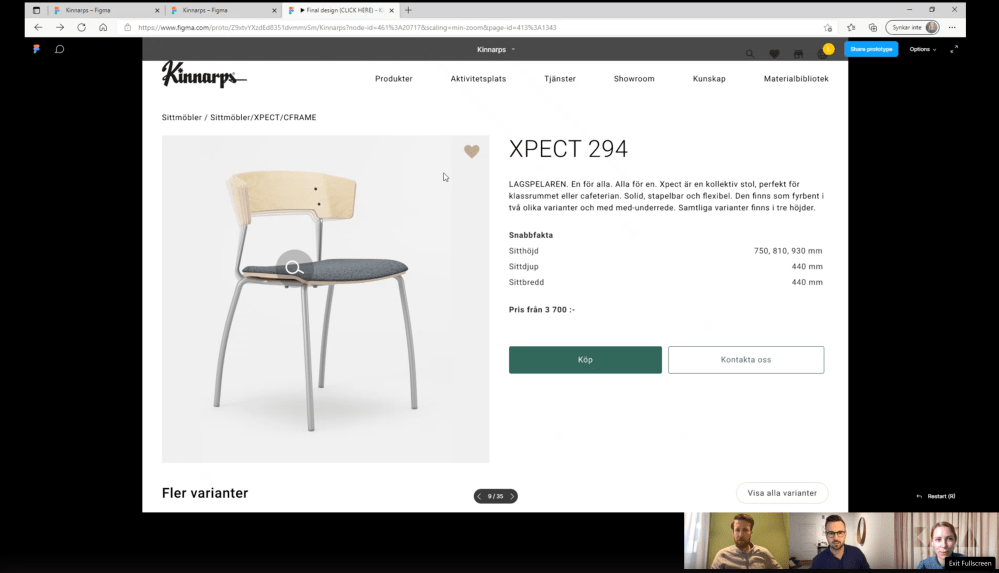
Once the design was validated with users and aligned with all key stakeholders, the solution was packaged into a clear report and prototype for easy dispersion within the clients organization. Here are the main design elements derived from the user insights and organisation constraints.

- Users have full control for the search filters to speed up their search from their criteria
- Quick access to the information that is requested most often
- Large pictures which clearly highlight the product with a short introduction and explanation that further variations are available
- Interactive media is also presented to sell the solutions and show them in context/within their categories
- The main variants are shown first in the flow with variants with minor adjustments later in the flow
- The SEO text is included to further drive traffic to the page
I also wrote epics and stories for each page of the design to enable the developers to implement the necessary design changes.
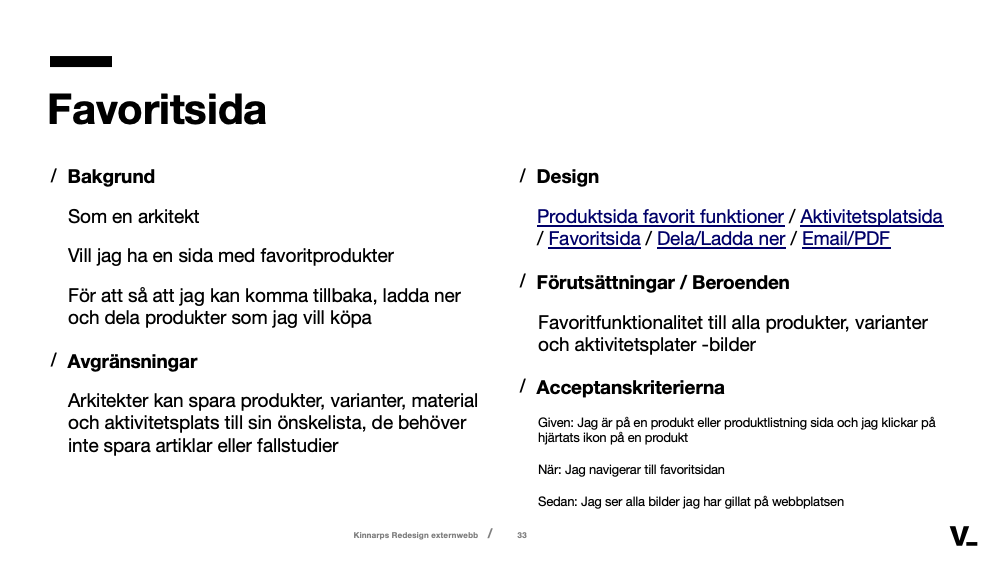
Website
Discover more projects
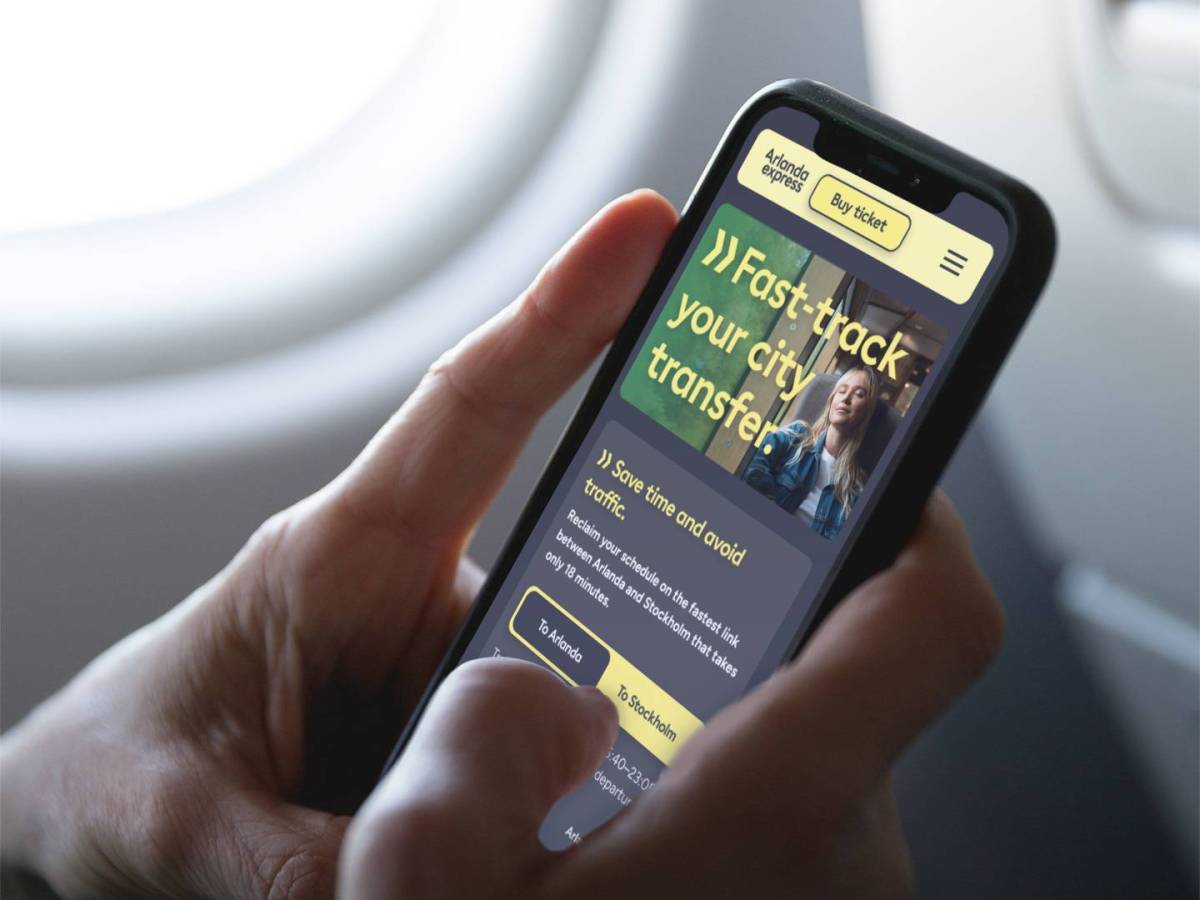
Capturing market share with data driven storytelling
I led the UX/UI design of key Arlanda express webpages to shift the conversation from price to value and convenience,…
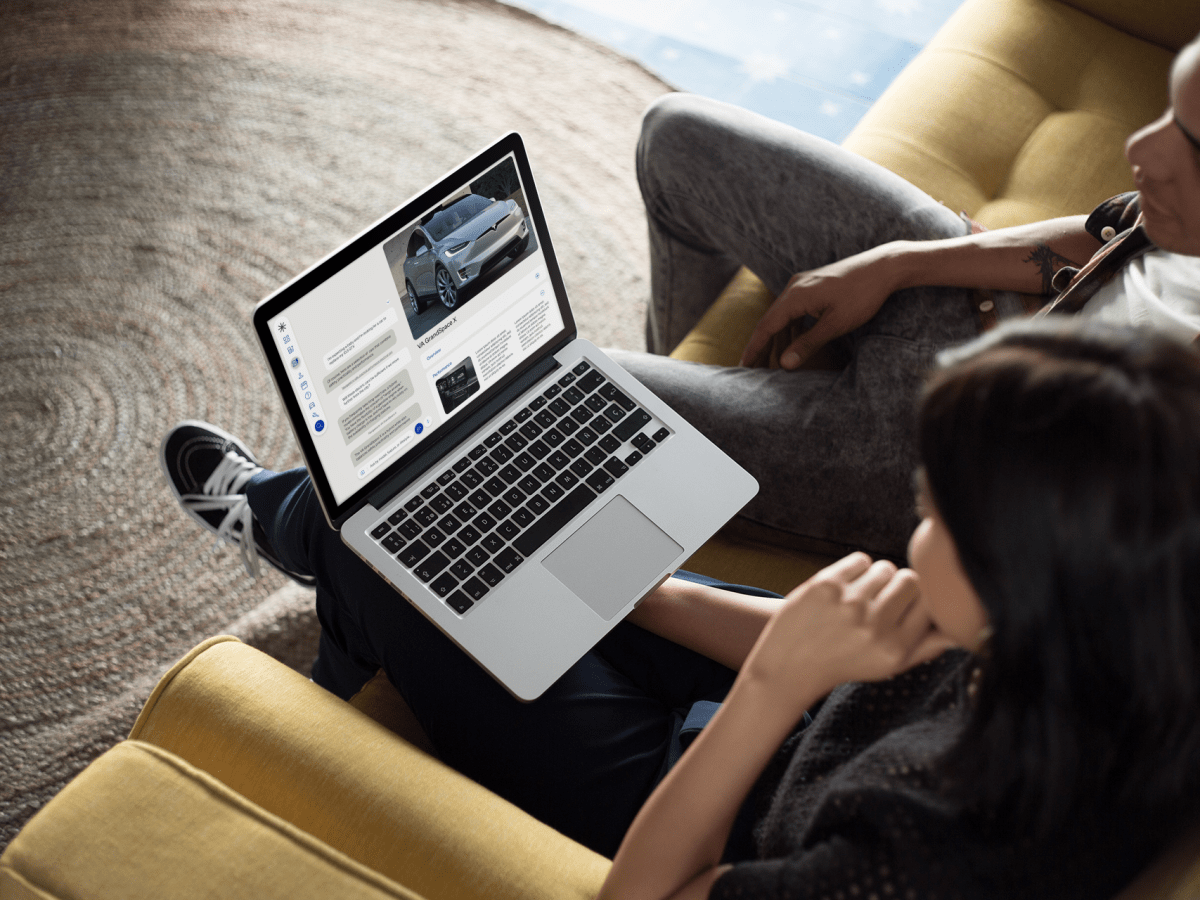
From filter frustration to concierge car buying
I led the concept development for an intuitive, personalized natural language car search tool that caters to the complexity of…
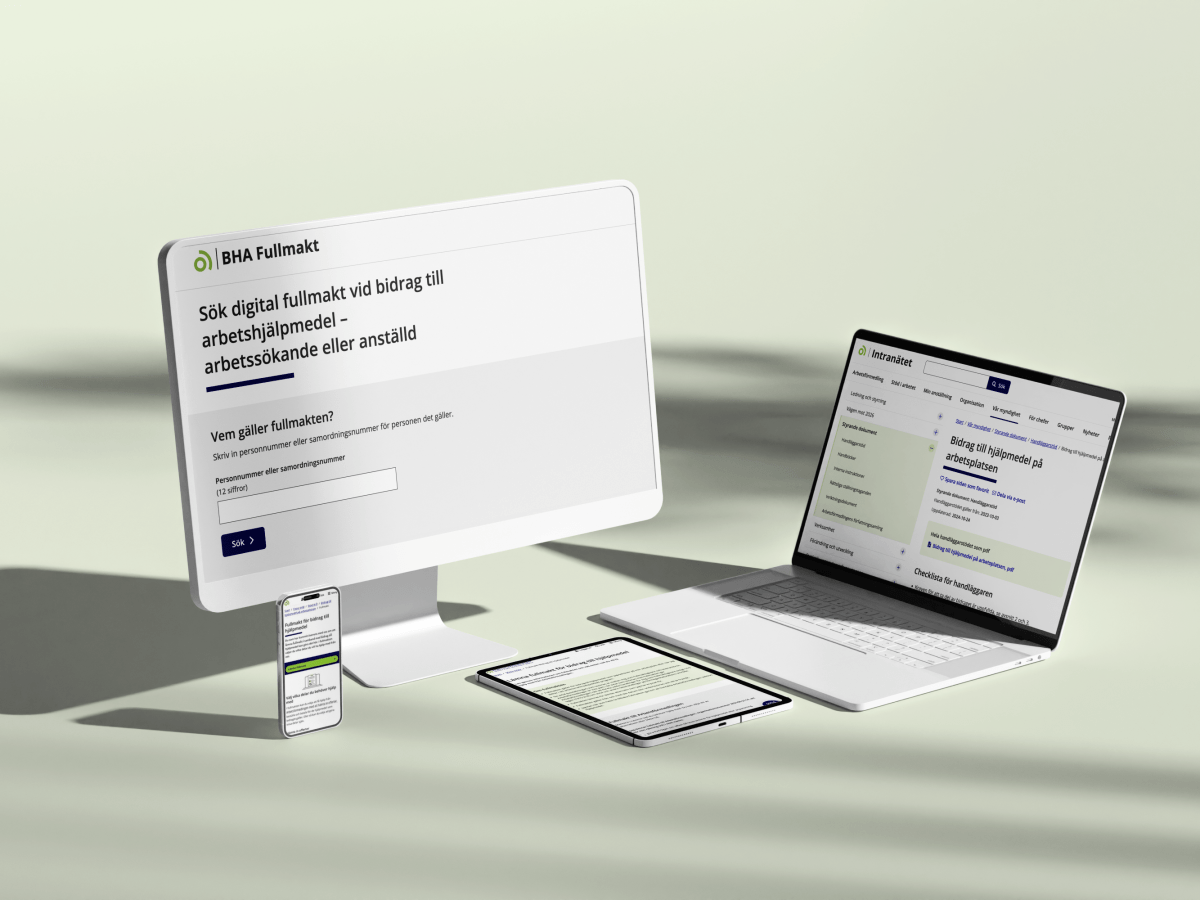
Increased productivity through accessible digitization
I reduced customers’ lead time for medical equipment delivery and reduced case worker administration with an intuitive web application. The…
 Fintan Collier