Managers and owners in the service industry have little time to uncover services from their suppliers (up to ten in some cases). A B2B marketplace was developed to connect suppliers’ services to support the smooth running of their customers’ businesses.
Challenge: Bar and restaurant managers couldn’t find suppliers’ services to help their businesses grow.
Project: I researched, prototyped, developed and launched a B2B marketplace for the hospitality industry.
Results: Over 300 leads including eight partners and 2000+ users in the first three months.
My Process


User Research
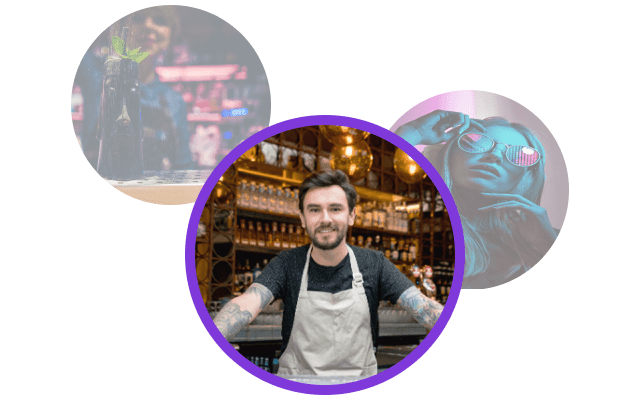
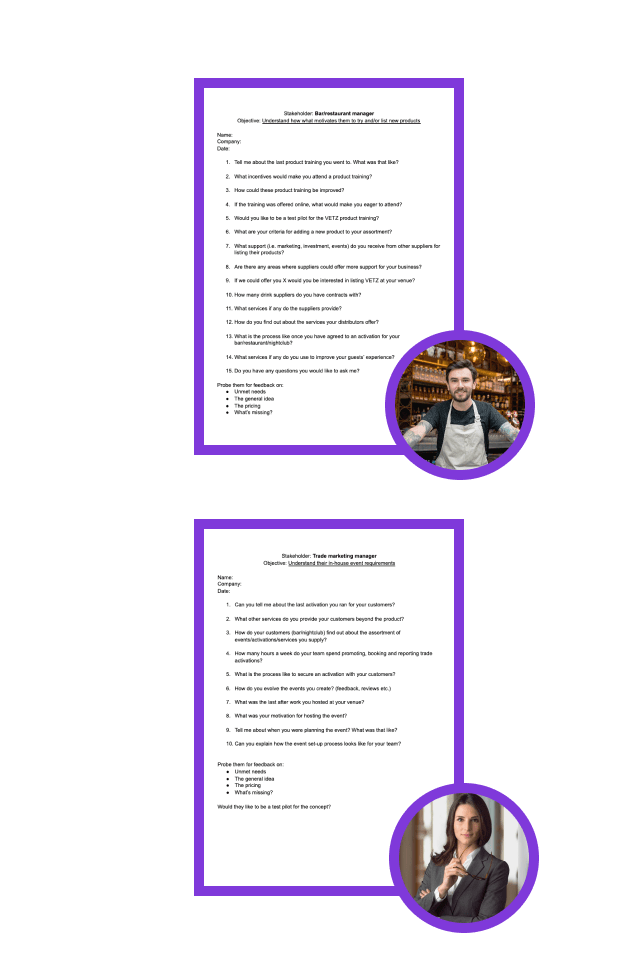
I developed personas for the two main stakeholders of the problem, the bar/restaurant manager and the trade marketing manager. I then designed interviews to find the frictions in the system and their unmet needs which led to the insight discovery that they were both frustrated with the current way of working.
Stakeholder mapping

Research design
Opportunity identification
People
Managers with little time
Need
To run activations regularly
Insight
“There are great services available but it’s too difficult to find/book them.”
Ideation
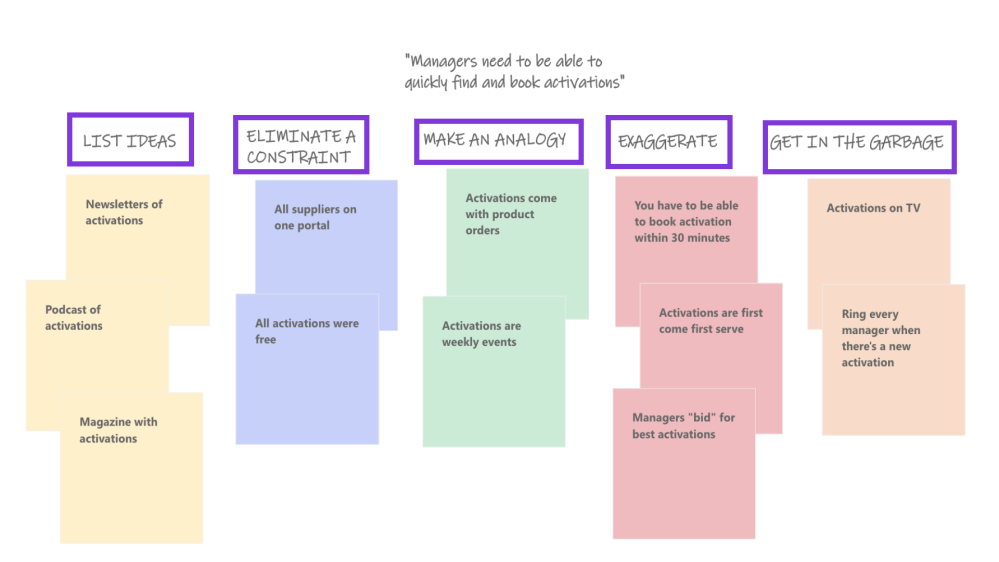
The six categories I use to push myself for fresh ideas are; listing them, eliminating a constraint, making an analogy, finding bad ideas and my personal favourite which is exaggerating the problem in order to find new solutions to it.
Brainstorming techniques
Storyboarding
I created a storyboard video to show the pain points that I found in the user interviews. The storyboard shows how the the solution would address this problem and it was a great tool for garnishing support for the project from the wider team.
Wireframing
I developed the wireframes using the feedback from the users. Highlights below showcase some of the design decisions that ultimately led to the features that were added to the platform.
Low fidelity wireframe
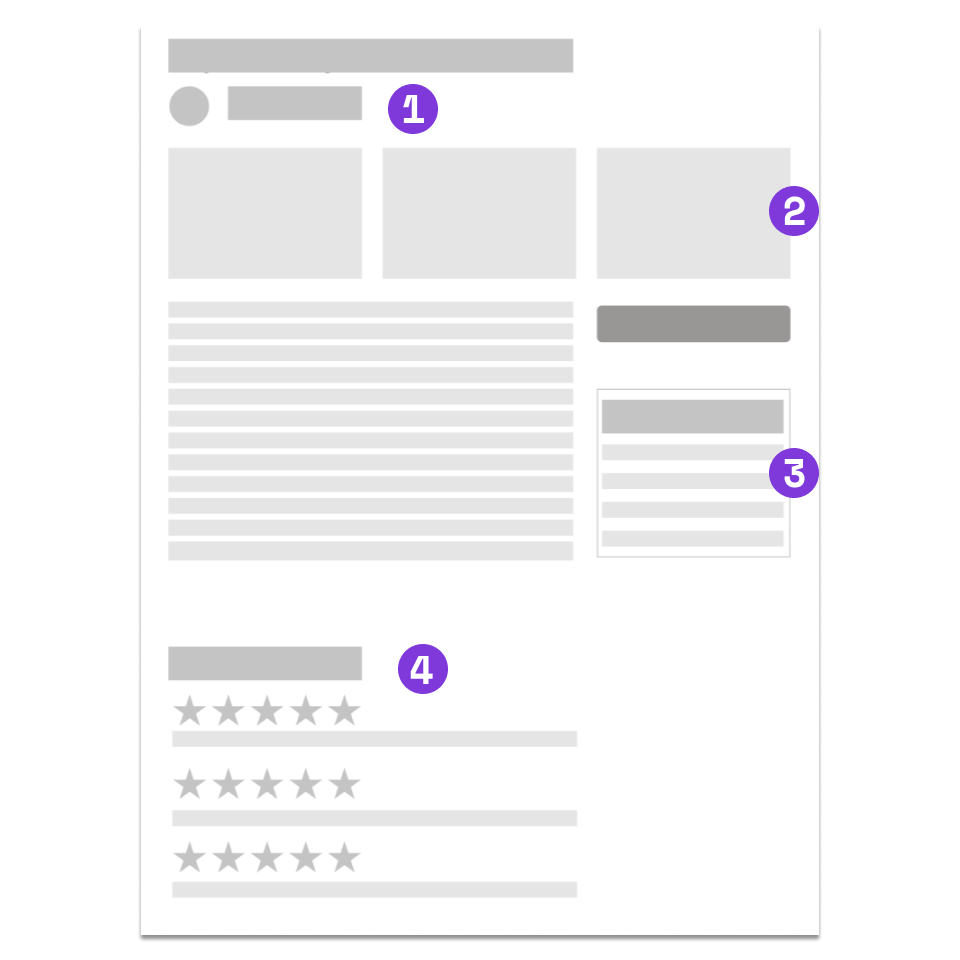
1. All users only worked with specific suppliers so the supplier name is prominent on the activation page
2. Users needed to quickly ascertain if an activation was a fit for their venue so images are all showcased above the fold
3. Advanced users that had to review multiple activations needed a topline overview of package features
4. Trust was a key barrier for users so the review section alleviates any concerns regarding the quality of the events
Testing
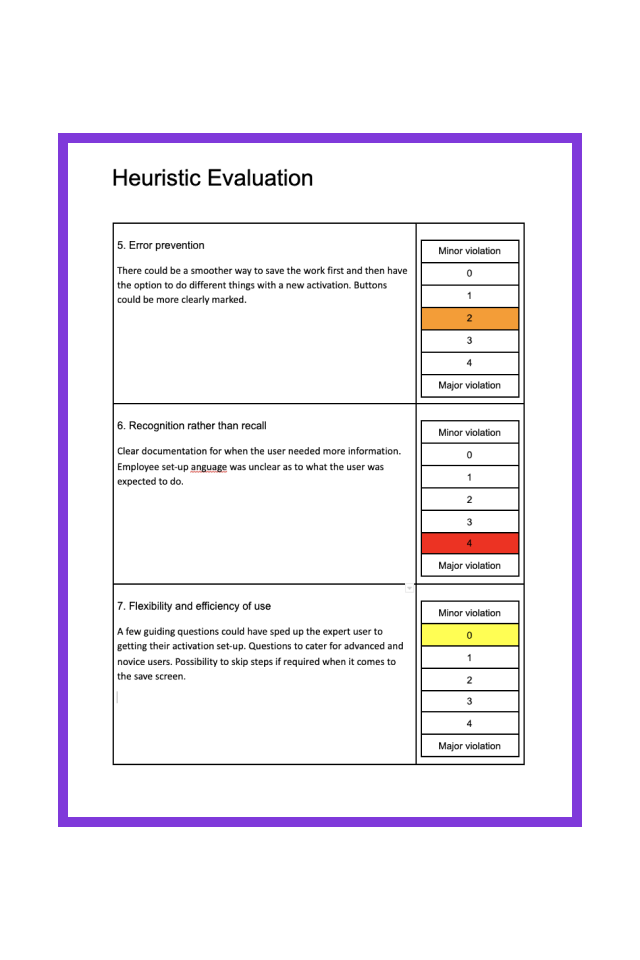
After completing the initial designs I ran a series of tests to ensure that the product met with the user’s needs. First the heuristic evaluation completed by experts and then users who represented the two key personas of the product. Finally the design was iterated by following up on all of the feedback carried out during the testing.
Heuristic evaluation
First I fixed all obvious design errors before moving on to user testing
User testing
I tested both types of user personas in their natural use environment


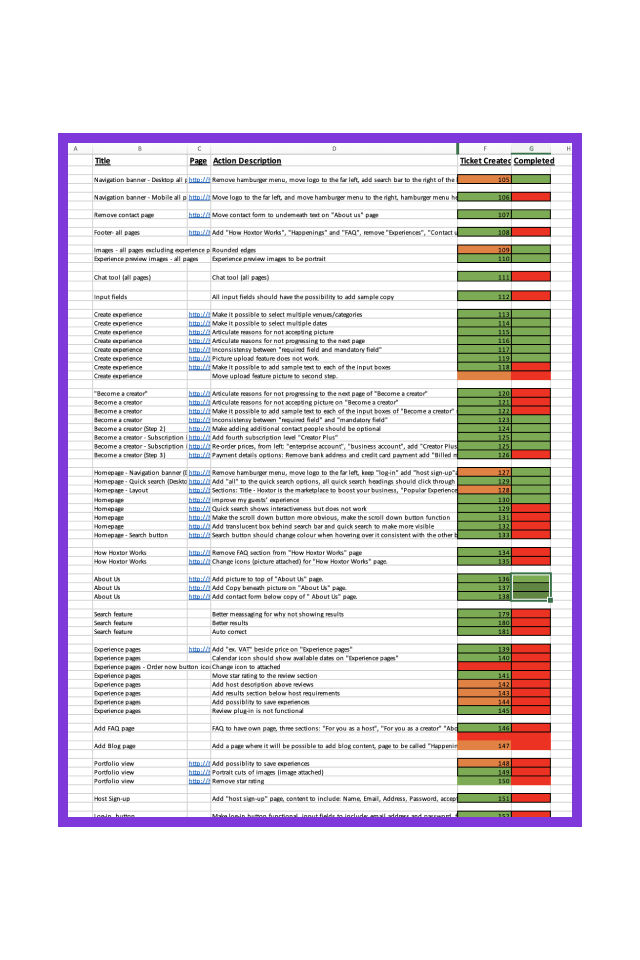
Design iteration
I prioritised and implemented the design with feedback from the test users
Discover more projects
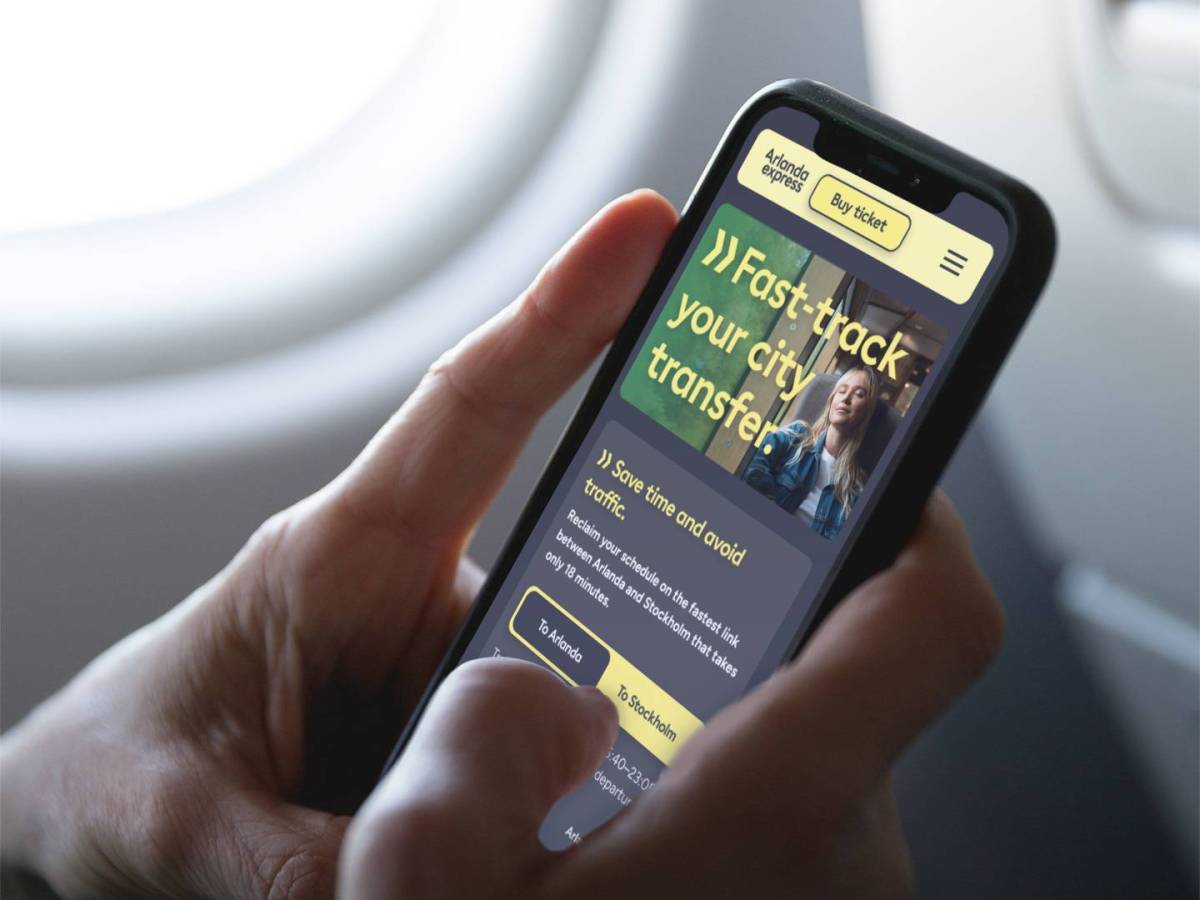
Capturing market share with data driven storytelling
I led the UX/UI design of key Arlanda express webpages to shift the conversation from price to value and convenience, thereby increasing conversion during key…

From filter frustration to concierge car buying
I led the concept development for an intuitive, personalized natural language car search tool that caters to the complexity of human nature and delivers highly…
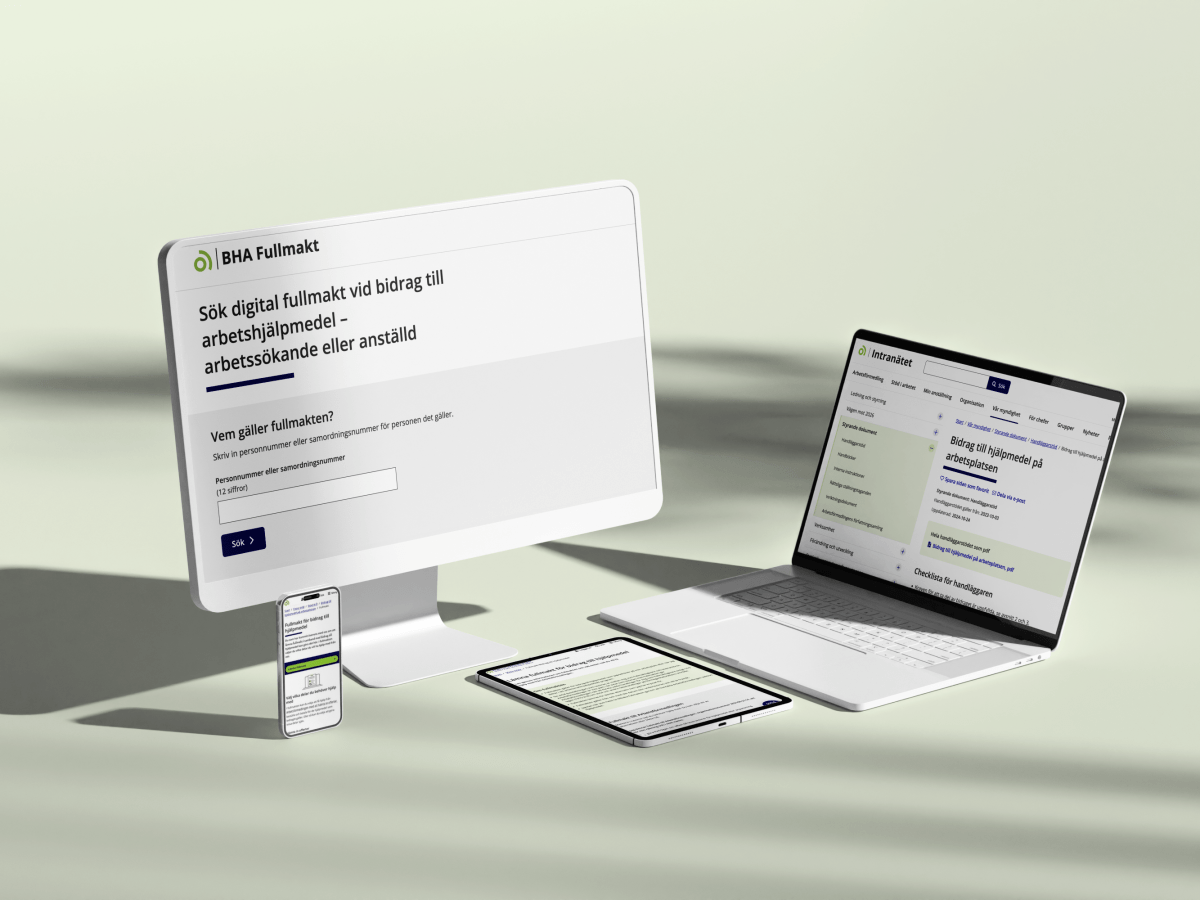
Increased productivity through accessible digitization
I reduced customers’ lead time for medical equipment delivery and reduced case worker administration with an intuitive web application. The existing process involved case workers…
 Fintan Collier